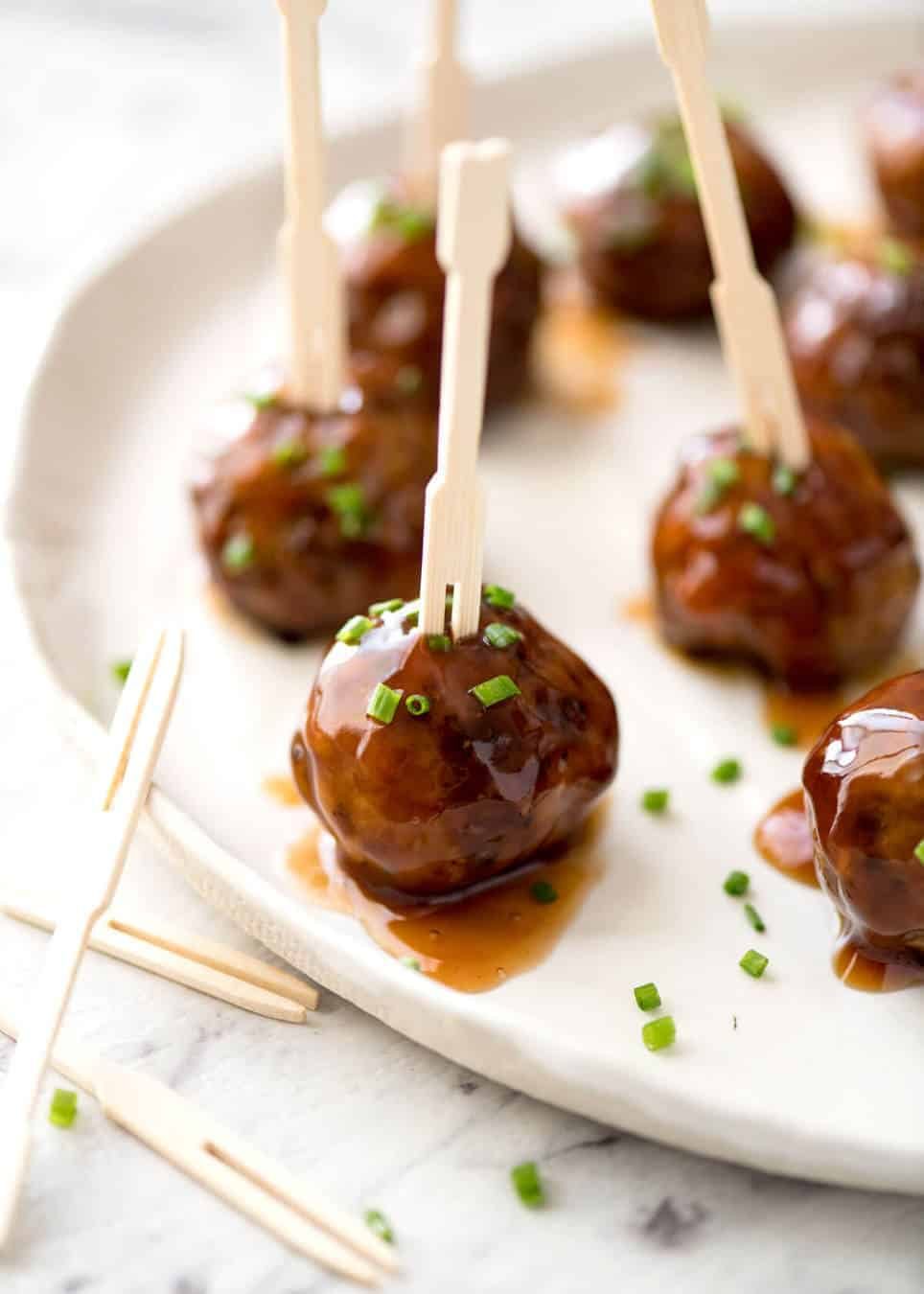
Classic to Modern: Best Sweet & Savory Cocktail Meatballs for Every Occasion
Since the bustling parties of the 1960s, `cocktail meatballs` have held a cherished spot on appetizer tables, consistently disappearing faster than any other dish. These bite-sized marvels strike a perfect balance of sweet and savory, making them an irresistible crowd-pleaser for any gathering, from casual potlucks to elegant holiday feasts. While the classic grape jelly version holds a special, nostalgic place in our hearts, the world of `cocktail meatballs` has evolved, offering a spectrum of flavors from comforting traditional to sophisticated modern. Let's dive into the enduring appeal and explore how to master both the timeless favorites and exciting new variations.
The Enduring Appeal of Cocktail Meatballs: A Sweet & Savory Legacy
What is it about `cocktail meatballs` that makes them a perennial party favorite? The answer lies in their inherent design: perfectly portioned, easy to eat while mingling, and boasting a flavor profile that tantalizes the taste buds. The interplay between a rich, savory meatball and a glossy, often sweet, glaze creates an addictive combination that guests can't get enough of. They're warm, comforting, and evoke a sense of joyous celebration.
For many, the mention of `cocktail meatballs` instantly conjures images of the incredibly simple, yet surprisingly delicious, 3-ingredient classic: frozen meatballs simmered in a slow cooker with grape jelly and a touch of chili sauce. This particular rendition, despite its humble origins, has earned a devoted following for its sheer ease and comforting taste. It’s a dish that proves you don’t need complex techniques to create something truly memorable. If you're looking to whip up a batch with minimal fuss, you'll love the simplicity of these
Easy Cocktail Meatballs: 3-Ingredient Appetizer for Any Party. However, as our palates have become more adventurous, so too have the interpretations of this beloved appetizer, moving beyond the traditional to embrace global inspirations and refined flavors.
Mastering the Classics: Grape Jelly and Beyond
The original grape jelly `cocktail meatballs` recipe is a testament to the power of simplicity. Often requiring just pre-made meatballs, grape jelly, and a bottle of chili sauce or ketchup, it's virtually foolproof. The magic happens as the ingredients meld together in a slow cooker over a few hours, creating a thick, sticky glaze that perfectly coats each meatball.
To elevate this classic without overcomplicating it, consider these tips:
*
Choose Quality Ingredients: Opt for a good quality grape jelly and a chili sauce that offers a balanced kick without being overly sweet.
*
Add a Dash of Depth: A splash of Worcestershire sauce, a teaspoon of Dijon mustard, or a hint of smoked paprika can add subtle complexity to the sauce.
*
Homemade Touch: While frozen meatballs are convenient, making your own can significantly enhance the flavor and texture.
Beyond grape jelly, other fruit-based glazes offer delightful variations on the classic sweet and savory theme. Cranberry sauce, especially around the holidays, provides a tart counterpoint to the richness of the meat, often brightened with a touch of orange zest. Marmalade, with its citrusy bitterness, offers another sophisticated twist, pairing beautifully with a hint of ginger or a dash of soy sauce for an Anglo-Asian fusion. These variations prove that the spirit of the classic `cocktail meatballs`—easy, flavorful, and crowd-pleasing—can be adapted with wonderful results.
Modernizing Your Menu: Savory & International Flavors
While we appreciate the nostalgic charm of classic `cocktail meatballs`, modern interpretations open up a world of sophisticated flavors that will impress even the most discerning palates. These contemporary versions often feature homemade meatballs and bold, global-inspired glazes that move beyond simple fruit jellies.
One prime example of this evolution is Hoisin-Glazed `Cocktail Meatballs`. This version transforms the humble appetizer into a sticky, tangy, and deeply savory delight with an undeniable international flair. The secret lies in a rich glaze featuring hoisin sauce, which naturally provides a sweet and savory base, complemented by aromatic garlic and pungent ginger. These ingredients create a complex depth of flavor that feels both familiar and exotic.
Beyond hoisin, the possibilities for modern `cocktail meatballs` are endless:
*
Teriyaki: A blend of soy sauce, mirin, sake, and sugar creates a glossy, umami-rich glaze. Add a sprinkle of sesame seeds for texture.
*
Spicy Sriracha-Honey: For those who love a kick, combine honey with sriracha, a touch of lime juice, and maybe some rice vinegar for a spicy-sweet-tangy explosion.
*
Smoky BBQ: Use your favorite barbecue sauce as a base, perhaps doctored with a bit of liquid smoke, apple cider vinegar, and brown sugar for a hearty, Americana feel.
*
Lemon-Herb: For a brighter, fresher profile, glaze meatballs with a sauce made from lemon juice, olive oil, fresh parsley, oregano, and garlic. This works wonderfully with turkey or chicken meatballs.
*
Sweet Chili: A Thai-inspired sweet chili sauce offers a delightful balance of sweet heat, often enhanced with a squeeze of fresh lime.
These modern variations ensure that `cocktail meatballs` are never boring, offering something new and exciting while retaining the beloved bite-sized format that makes them such a party hit.
Crafting the Perfect Meatball: Texture, Flavor, and Technique
While the glaze gets a lot of attention, the quality of the meatball itself is paramount to a truly exceptional `cocktail meatballs` experience. A well-made meatball should be tender, flavorful, and juicy, never tough or dry. Achieving this requires attention to meat selection, binders, and most importantly, mixing technique.
Meat Selection for Superior Tenderness
The type of meat you choose significantly impacts the final texture. For the most tender and flavorful `cocktail meatballs`, a 50/50 mixture of ground beef and ground pork is often recommended. The higher fat content of pork, particularly its softer fat, contributes to a juicier and more tender meatball compared to using beef alone. If you prefer all beef, opt for an 80/20 lean-to-fat ratio. While dark meat turkey can work, ultra-lean white meat turkey often dries out quickly and can result in a chalky texture. Avoid ground chicken breast unless you're very careful with moisture.
The Role of Binders: Panko and Egg
Meat proteins naturally bind to themselves during cooking, which can lead to a dense, tough meatball if not managed correctly. This is where binders like Panko breadcrumbs and egg come into play:
*
Panko Breadcrumbs: These coarser breadcrumbs are excellent at keeping meat proteins from binding too tightly, promoting a lighter texture. Crucially, they also absorb and retain moisture that the meat releases during cooking, preventing dryness.
*
Egg: The egg acts as a binder, helping to hold the meatball coherent and preventing it from falling apart. It also adds a touch of richness.
Beyond these, adding a little liquid like milk, broth, or even a dash of water can further enhance moisture.
The Art of Gentle Mixing
This is perhaps the most critical step for tender `cocktail meatballs`. Overworking the meat mixture is the arch-nemesis of tenderness, as it develops the meat proteins too much, leading to a tough, rubbery texture.
*
Hands-On Approach: The best way to mix meatball ingredients is with your bare hands. This allows you to feel the texture and ensures even distribution without over-compressing.
*
Swirl, Don't Squeeze: Gently swirl the ingredients in a bowl with your fingers until they are *just combined* and the seasonings are evenly distributed. Do not squeeze, mash, or knead the meat. The moment you see no more dry breadcrumbs or unincorporated ingredients, stop mixing.
Forming and Cooking Methods
*
Uniformity is Key: Use a tablespoon or, even better, a portion scoop to create even mounds of the mixture. This ensures consistent cooking times and a professional presentation.
*
Wet Hands: Gently roll the portions into balls using slightly wet hands to prevent sticking and achieve a smooth surface.
*
Cooking: While frying can create a nice crust, baking is often preferred for `cocktail meatballs` as it's less messy and allows for cooking large batches simultaneously. Simply arrange them on a parchment-lined baking tray. For hands-off convenience, after baking, many glazes can be simmered with the meatballs in a slow cooker or even an Instant Pot.
For more in-depth advice on perfecting the texture and flavor of your appetizers, be sure to read our
Secrets to Tender Cocktail Meatballs: Tips for Perfect Appetizers.
Make-Ahead Magic
One of the great advantages of `cocktail meatballs` is their make-ahead potential. Once baked, they can be glazed and served immediately, or chilled in the refrigerator for a few days. For longer storage, freeze the baked meatballs (with or without glaze) in an airtight container. When party time rolls around, simply reheat them on a parchment-lined baking tray in a 325°F (160°C) oven until warmed through, then glaze if needed. This flexibility makes them an ideal choice for busy hosts.
In conclusion, `cocktail meatballs` are far more than just a simple appetizer; they are a versatile canvas for culinary creativity. Whether you lean into the comforting nostalgia of a classic grape jelly rendition or explore the adventurous flavors of a hoisin or sriracha-honey glaze, the fundamental appeal remains the same: a delicious, bite-sized burst of sweet and savory goodness. With a focus on tender meatballs and perfectly balanced sauces, you can transform this timeless party staple into a dish that consistently delights your guests, ensuring they always come back for more. So go ahead, experiment, and find your signature `cocktail meatballs` recipe – your next party will thank you for it!